


PRESERVE THE SHORE. PRESERVE THE SPORT.
WAKE (WEYK) NOUN
THE TRACK OF WAVES LEFT BY A BOAT OR OTHER OBJECT MOVING THROUGH THE WATER
THE PATH OR COURSE OF ANYTHING THAT HAS PASSED OR PRECEDED
The term “wake” should be familiar to every boater. Anytime your boat is traveling and leaving waves behind it, it’s creating a wake. If your boat has an engine, it produces a wake. If you’ve boated often enough, you’re sure to have been through a few “No Wake Zones”; areas where you must keep your engine at idle speed in order to produce NO WAKE.
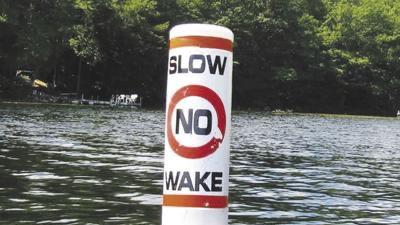
As simple as the term “wake” is, it has taken a whole new tone over the last decade or so. With the advancement of wake boat technology and wake sports increasing in popularity; “wakes” have become a central conversation in boating communities.
In this blog, we’ll explore why “wake responsibility” has become such a central conversation to boating, especially as it relates to the wake-sports boom.
Erosion, Environment, & Etiquette
IT STARTS WITH EROSION
EROSION [ IH-ROH-ZHUHN ] NOUN
THE PROCESS BY WHICH THE SURFACE OF THE EARTH IS WORN AWAY BY THE ACTION OF WATER
THE GRADUAL DECLINE OR DISINTEGRATION OF SOMETHING
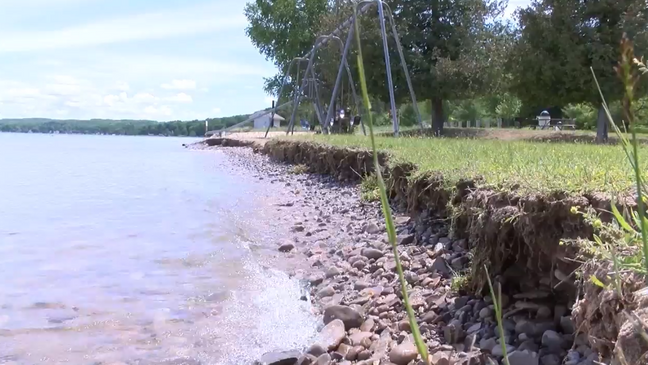
Any disturbance to the water – surface or subsurface – is going to create erosion. The bottom of your favorite lake is always being shaped by the movement of the water above. However, the surface is more tumultuous than deeper areas due to weather, boating, the annual freeze & thaw, etc. While erosion may not be as obvious down below, it can become VERY obvious along the shoreline.
The more wake activity in an area, the greater the chance of accelerating shoreline erosion, which can have long-term environmental impacts.
EROSION IS A MAJOR PROBLEM, AND THE FACT OF THE MATTER IS: BOAT WAKES CAUSE IT.
ENVIRONMENTAL IMPACT
Lakes with heavy boating traffic experience less shoreline vegetation and ecological habitat – and often more algae – due to water quality issues and the sediment getting constantly churned up by the wakes of boats. This disruption can have a direct impact on fish populations, water clarity, and the overall health of the aquatic ecosystem.
We may not love the weeds and reeds along the shoreline of our favorite lake, but vegetation and habitat (both above and below water) is critical to preventing erosion. Every year, lakeshore homeowners are watching more of their property slip into the proverbial sea due to natural – and unnatural – shoreline loss.
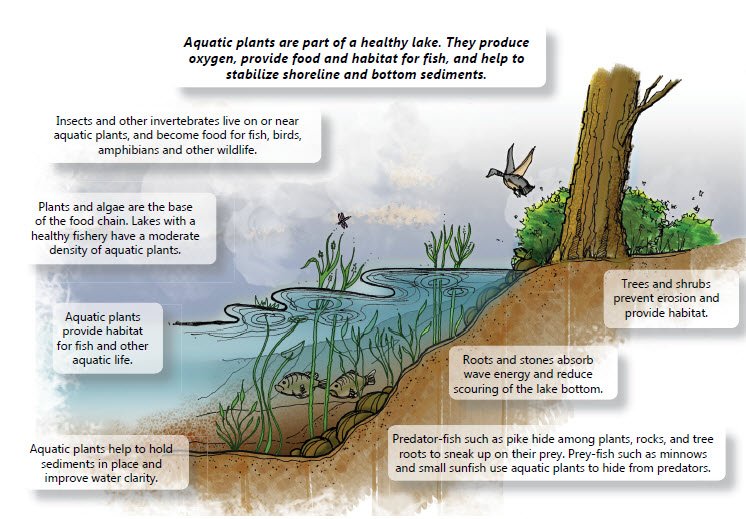
Image Courtesy of Michigan Natural Shoreline Partnership (https://www.mishorelinepartnership.org/)
But it’s about more than just erosion. Heavy boating churns up silt, often saturating the shallower water with sediment and suffocating vegetation growth. Vegetation that creates shoreline habitats that are nesting areas for birds, frogs, turtles, and other aquatic mammals can be easily disturbed by excessive wakes. Without healthy shoreline vegetation, erosion rates increase, wildlife loses crucial habitat, and water quality continues to decline.
Vegetation is not only critical to underwater and above-water life; healthy vegetation and habitats create clearer, cleaner water.
It’s also about property damage.
Along most shorelines are docks, watercraft lifts, and mooring areas that homeowners install to make the most out of their shoreline. These areas and the objects in them are vulnerable to high boat traffic and can be severely damaged by repetitive and negligent boating activity. Boaters who fail to control their wakes may not realize that even a single strong wave can lead to costly repairs or irreversible shoreline damage.
Too large of a wake, too close to the shore can cause major damage to docks, lifts, boats, and could even injure someone. Every season we hear more stories about damaged property, swamped boats, overturned kayaks, and more, all resulting from irresponsible wakes.
DID YOU KNOW YOU CAN BE HELD RESPONSIBLE FOR PROPERTY DAMAGE DUE TO YOUR WAKE?
MICHIGAN LAW STATES:
The owner of any vessel is personally responsible for any damage to life or property resulting from a wake or swell created by the negligent operation of the vessel, where the vessel is being operated with his consent. Always maintain safe speeds and follow no-wake laws. Being mindful of wake size, speed, and distance from the shore is not just a courtesy—it’s a legal obligation.
This means, if you (or someone you’re allowing to drive your boat) fly by in your pontoon too close to a dock, and someone falls off that dock and hurts themselves from the resulting wave; you’re responsible for any repairs needed to the dock AND any injury you may have caused to the person who fell off.
WHICH BRINGS US TO ETIQUETTE…PART I
We’ll talk more about etiquette in a bit; but as it pertains to wakes – it is proper etiquette to keep your distance from the shore, especially when moving fast. This will help reduce damage to shore and habitat (or potential damage to property) caused by your wake. Responsible boating means respecting both the environment and fellow lake-goers—keeping your wake in check helps preserve the waterway for everyone.
Just remember, if you’re producing a large wake, stick to deeper water.

Wake Boats: Realities and Myths
ALL ENGINED BOATS CREATE WAKES. SO, WHY ARE WAKE BOATS AND WAKE SPORTS SO OFTEN BEING TARGETED AS THE ENEMIES OF THE LAKE?
There are quite a few reasons, many of which are legitimate concerns. Here are some realities about wake boats (and their differences from other types of boats) that are worth considering:
REALITY: WAKE BOATS HAVE DEEPER PROPS
By the nature of their design a wake boat’s prop sits more toward the center of the hull and therefore deeper into the water. Because of this, the initial displacement of water (what creates a wake) happens deeper in the water, potentially causing more environmental damage. This means wake boats can stir up sediment more significantly than traditional boats, impacting water quality and shoreline stability.
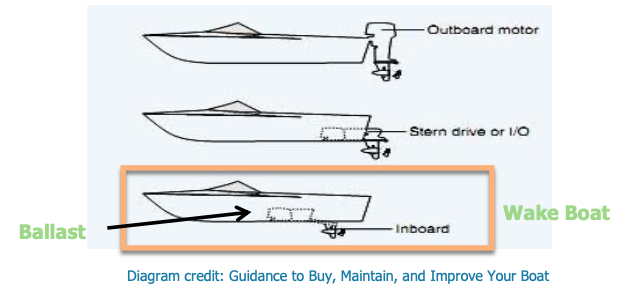
REALITY: WAKE BOATS CREATE LARGER WAKES
Definitely. Larger wakes are the whole point of owning a wake boat. The placement of the prop helps to create a larger initial wake already. In addition, wake boats have ballast systems to weigh down the boat in different ways – in order to create even larger wakes than what would be possible with the prop alone.
Without proper wake management, these larger waves can lead to increased shoreline erosion, property damage, and safety concerns for other water users.
REALITY: THE SCIENCE SAYS WAKE BOAT WAVES ARE DIFFERENT.
They are because they’re designed to be. Modern wake boats have dozens of ballast settings that can dial in everything about the wave being produced behind the boat. Height, shape, and length of the wave can all be adjusted to fit anyone’s riding preference. This wave adjustability is great for wake sports but also means wake boaters have an increased responsibility to control where and how they use their vessel.
Learn More About Wave Energy: HERE
THESE WAKE BOAT REALITIES, LIKE DEEPER PROPS AND WEIGHTED BALLASTS, MEANS THAT WAKE BOAT WAVES ARE GENERATED DEEPER IN THE WATER AND PRODUCE SIMPLY LARGER (POTENTIALLY MORE DAMAGING) WAVES. BUT NOW, LET’S TAKE A LOOK AT THE MYTHS SURROUNDING WAKE BOATS.
MYTH: WAKE BOAT OPERATORS ARE ALL YOUNG IRRESPONSIBLE KIDS.
The fact is, as water and wakesports have become more ingrained into life on the water over the last couple decades, we’re beginning to see more multigenerational wakesport enthusiasts. Also, with the adjustability of today’s modern wake boats, more and more people are able to enjoy wake sports much later in life.
While yes, we fully acknowledge that wake and watersports tend to attract a younger crowd in general, we firmly object to the opinion that they’re all young and irresponsible. We sell hundreds of boats each year and all of our wake boats are sold to responsible professionals with families that have been wake sporters and boaters since childhood.
Of course, there are exceptions. We get that. However, in our experience wake boaters are some of the most enthusiastic about boat safety and boating responsibility.
MYTH: WAKE BOATS CAUSE MORE BOATING DEATHS THAN OTHER TYPES OF BOATS.
This opinion comes from some pretty misleading statistics. The US Coast Guard publishes accident, injury, and fatality statistics each year. Yes, it is true that “Open Motorboats” – the classification to which wake boats belong – have the largest number of incidents and deaths of any type of watercraft.
However, this “open motorboat” category includes fishing boats, bowriders, and any other motorboat with an open bow. This data is reported from all over the country and also includes oceanic travel.
When you take a deeper look at this data, most boating fatalities are caused by drowning due to dangerous conditions on open water, as well as people not wearing life jackets – not accidents due to irresponsible operation of wake boats.
MYTH: WAKE BOATERS JUST WANT TO BLAST MUSIC AND PARTY
Any sort of extreme sport tends to get a reputation for attracting a partying crowd. And yes, wake sporters do tend to love their jams. Which is why wake boat sound systems can get downright monstrous these days.
The reality is that most wake sporters do it to relax and relieve stress. There is something beautiful about tuning in to your body and the water while you board or surf – it can be a quite relaxing experience.
Most of us seek the “chill” of wake sports as much as the “rush”.
So What Is The “Wake Responsibility” Movement All About?
There is no doubt boating has become more popular than ever. Lakes are becoming more crowded, and as a result, we are seeing more shoreline and habitat degradation each year. Despite this erosion being – in large part – the result of just way more boaters, wake boaters are finding themselves at the center of the discussion; for all the realities and myths listed above. By practicing wake responsibility, boaters can help minimize environmental damage, protect wildlife, and ensure the longevity of our lakes and waterways.
This significant shoreline loss has brought calls on some lakes to limit the use of wake boats, and even other lake associations have banned wake boats altogether.
That hasn’t stopped wake sports from increasing in popularity though. Boat and board technology has gotten to the place where more people can ride the water earlier and later in life. Even those with certain disabilities are now able to safely ride because of continuing innovation in wake sports.
With more boats, and more wake sports, comes more wake responsibility.
Many members of the boating community blame wake sports for the increased erosion which has sparked an increased awareness of wake impact as well as a movement to make a difference.
WSIA – WAKE RESPONSIBLY CAMPAIGN
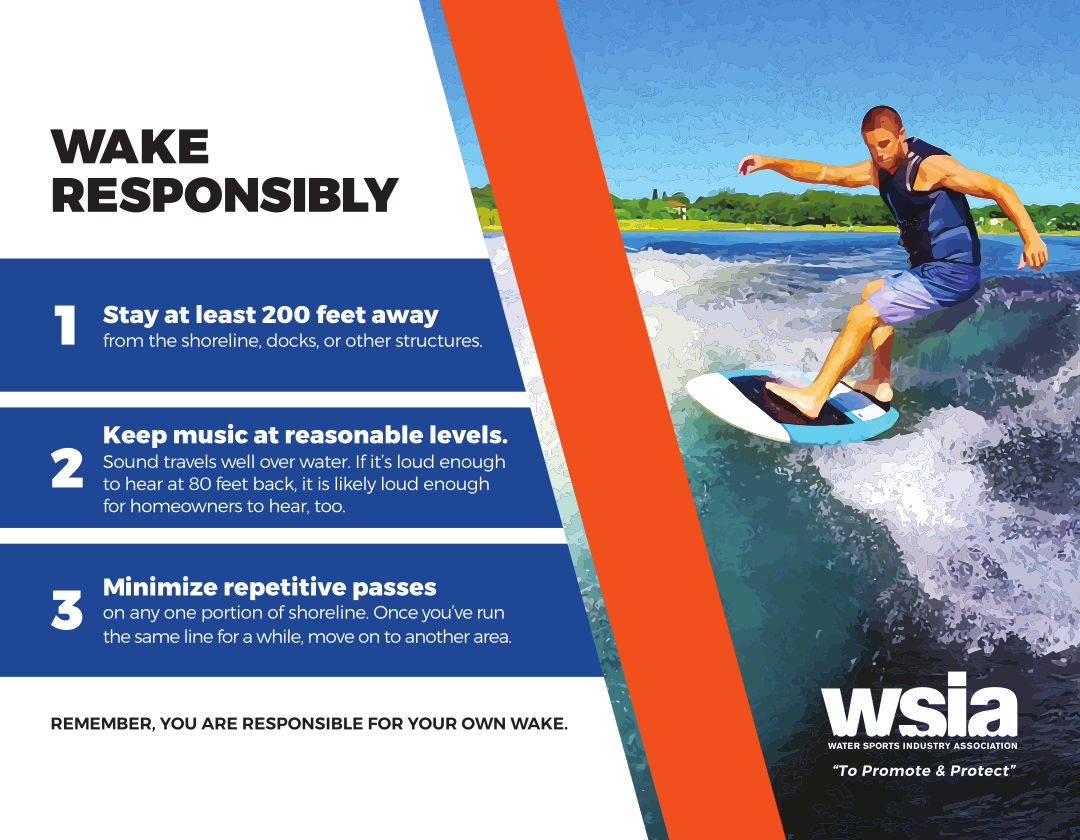
In response to a large part of the boating community blaming water sports for their shoreline erosion, the Water Sports Industry Association (WSIA) has initiated the “Wake Responsibly” campaign. This campaign’s goal is to bring awareness of the harmful effects of wakes and provide a set of tips to help ensure wake boaters are mindful of their wake’s impact.
THE WSIA OFFERS THESE TIPS:
Which Brings Us Back To Etiquette…Part 2
All of this brings us back to the one thing that can help solve the wake-on-the-lake problem: etiquette. These additional tips will help you be a good steward of your sport AND the lake.
- Keep your surf wake to the inside of the lake (better chance of dissipating on other waves)
- Turn your music down when you’re idle
- Don’t surf in shallow water
- Don’t surf near wildlife habitat
- Keep your distance from anchored boats, swimming docks & areas
- Give fishermen a wide berth… don’t scare away the fish
- Be Aware. Be Courteous.
For more boat safety and wake responsibility information, visit:
- wsia.net
Boatus.org (Free online courses nationwide) - Michigan’s Wakeboating Report